


 Español
 Polski
 Русский
 Українська
 Deutsch
 Nederlands
 Français
 Norsk
 Svenska
 Suomi
 Italiano
 Български
 Română
 Dansk
 Čeština
 Português
Service information
Cylinder replacement in Torrevieja: what we do and when
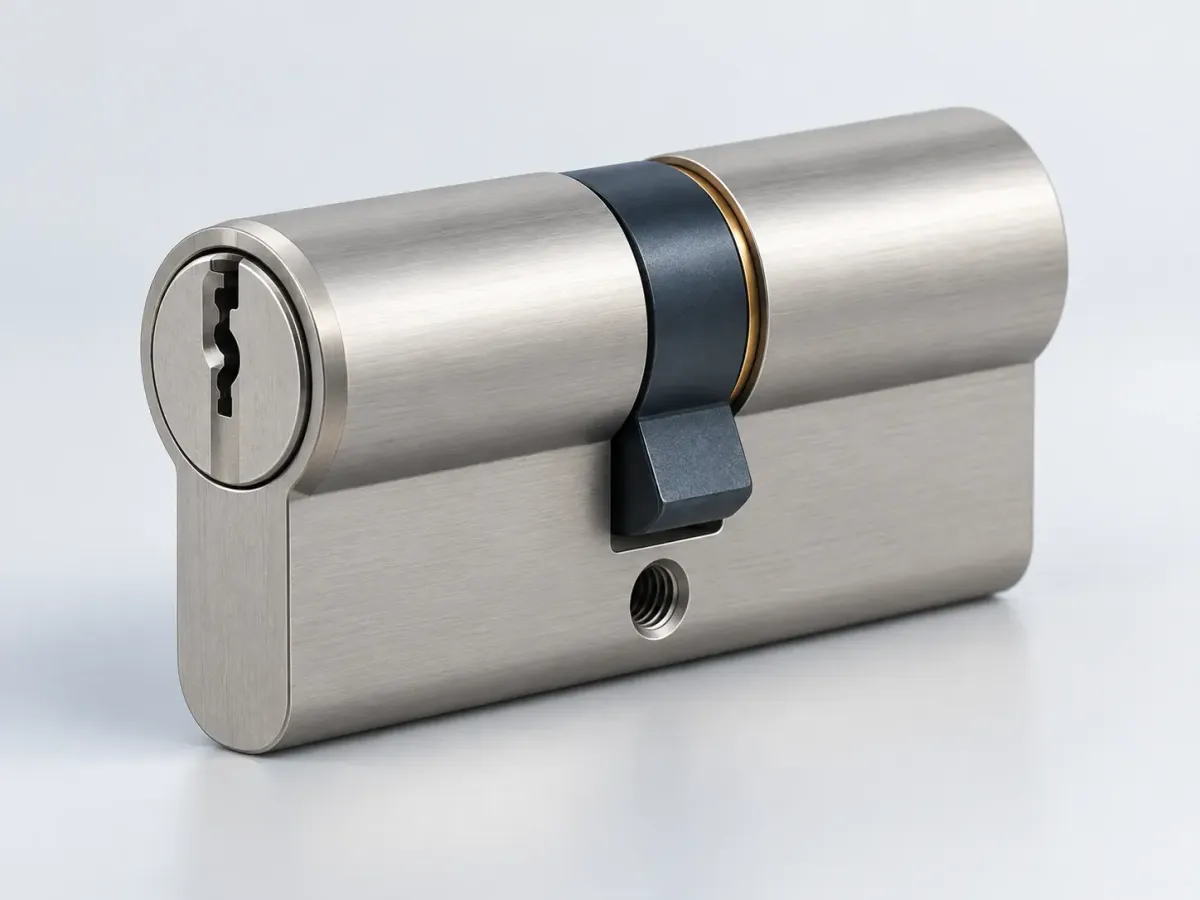
The cylinder is the part the key goes into. The lock is the mechanism fitted in the door that moves the latch and the bolts. When the fault, or the reason for the change, lies in the cylinder, it is normally enough to replace the cylinder without touching the lock. To choose the new one, we need to check its length on each side of the door, how it fits with the lock and the escutcheon, and how many keys you need.
Lost keys or new occupants
If you have lost a key, had one stolen or are moving into a home or business premises where previous occupants had keys, replacing the cylinder means those copies no longer open the door. Tell us how many keys you need.
Worn cylinder or erratic operation
If the key is hard to get in, only turns partway or has to be jiggled to work, the cylinder may be worn. If the key turns fine but the door won’t open or close, the problem is usually in the lock or in how the door sits in its frame; in that case, see lock repair.
Choosing a new cylinder
We explain the cylinder options that fit your door and how they differ. We only mention certifications or protection features that appear in the manufacturer’s documentation for the model chosen.
Service information
Areas we cover for cylinder replacement
We replace cylinders 24 hours a day in Torrevieja and in 17 other towns. Outside Torrevieja a travel supplement is added depending on the town.
Service information
What a cylinder replacement quote depends on
If checking the door reveals something that changes the price, we explain it and don’t carry on without your agreement.
Sizes and compatibility
The cylinder’s length on each side of the door and how it fits with the lock and the escutcheon determine which models can be fitted.
Cylinder and keys
The type of cylinder, its features and the number of keys change the price. If you need more copies, say so when you get in touch.
Fitting and travel
If the escutcheon or the lock also has to be adjusted or replaced, the price changes and we tell you before doing it. Outside Torrevieja a travel supplement is added.
How we work
How a cylinder replacement works, step by step
1. Tell us about your situation
Send a photo of the cylinder from the outside and, with the door open, another of the door edge showing the cylinder and its fixing screw. If you know the brand or the size, mention it.
2. Go over the options and conditions
We suggest a cylinder that suits the size, lock and escutcheon of your door and give you the price before we start, with VAT on top.
3. Agree the work and check it together
Once the price has been accepted, we arrange the replacement. When we finish, we check with you that the new cylinder works with all its keys, and payment is made then.
What to check after the cylinder has been replaced
- That each key handed over locks and unlocks from the outside, and from the inside too if the cylinder is keyed on both sides.
- That the cylinder is held firmly, doesn’t move in its hole and doesn’t stick out more than necessary.
- How many keys you receive and, if the cylinder comes with one, the card for ordering copies; keep it separate from the keys.
- How to look after it: don’t force the key, and ask which product to use if at some point it becomes hard to turn.
Everyday use after the job
- Push the key all the way in before turning it and only take it out once it has returned to its insertion position.
- Don’t hang heavy keyrings on the key you use in the door, because their weight pulls on the cylinder every time it is left in the lock.
- Only hand out the new keys to the people who need them and make a note of who has each one.
- If one of the new keys starts behaving differently from the others, put it aside and tell us before having copies made from it.
Service information
Guide to preparing your cylinder replacement enquiry
Before calling to replace a cylinder
With the door open you can gather almost everything needed to assess the replacement.
- How many keys you have now, how many you need and whether other people still have copies.
- How many cylinders there are in the door (main lock, additional bolt) and which ones you want to replace.
- Whether you would like several cylinders to open with the same key, so you can mention it when you get in touch.
- Whether a card for ordering key copies came with the current cylinder.
- Whether the cylinder sticks out from the door or the escutcheon, seen from the outside.
Cylinder warning signs worth describing
These point towards the cylinder, although some also appear when the lock is failing or the door is out of adjustment.
- The key is stiff going in or has to be moved up and down before it turns: the cylinder or the key may be worn.
- Only one of the copies works: it may be a faulty copy rather than a faulty cylinder.
- The key catches when you pull it out or gets stuck in a particular position.
- The cylinder moves in its hole or sticks out more than before: the fixing screw may have come loose.
- The door can’t be opened from the inside when there is a key in the lock on the outside: this depends on the type of cylinder and is worth mentioning if you want to avoid it.
When it’s best to stop trying
When the key stops halfway round inside the cylinder, forcing it harder or using pliers usually ends with the key bent or snapped inside the cylinder. If you feel the key starting to give or bend, take it out carefully and stop using it. A cylinder that has already shown warning signs doesn’t get better with repeated attempts, and keeping the key in one piece makes it easier to assess the replacement.
Situations worth explaining when you get in touch
Some cylinder symptoms are easier to understand with a bit of context. Tell us what you notice in each case; the cause is confirmed when we check it.
- The key unlocks but won’t deadlock, or the other way round: tell us in which direction it stops and whether it happens with the door open or only with the door closed.
- The outer face of the cylinder has new scratches or the keyway looks deformed: explain whether the key still goes in as it did before and since when those marks have been there.
- Someone has put glue, paint or dirt in the keyway: don’t try to clean it by poking at it, and tell us whether the key goes in, even partly.
- The key you use every day has a cracked head or is slightly bent: mention it, because it could snap inside and it helps to know whether you have another copy in good condition.
Service information
Brands you can look up for cylinder replacement
If you know the brand of the cylinder or lock, it is usually engraved on the face of the cylinder or on the plate on the door edge; mention it when you get in touch. These pages help identify the hardware and do not mean that we are an official service for the brand.
Service information
What else can help when replacing a cylinder
Replacing the cylinder is often the first step in reviewing how well the door is protected; these pages help you see the whole picture.
- Security upgrade: worth a look if, as well as the cylinder, you want to assess other weak points of the door.
- Escutcheon installation: explains why the outer protector and the cylinder size have to match.
- Brands: helps you recognise the name engraved on your cylinder before you get in touch.
- Prices: sets out what affects a cylinder replacement quote, which is given after reviewing your situation and before the work starts.
- Contact: to tell us how many keys you need and send the details of your door.
- Towns: helps you find the page for the town where the door is and prepare your enquiry there.
Frequently asked questions
Questions about cylinder replacement
Does the whole lock have to be replaced to change the cylinder?
No, if the problem or the reason for the change lies in the cylinder: only the cylinder is replaced. If the lock is faulty or the door doesn’t sit properly, those parts need checking as well.
How is the cylinder size checked?
It is measured from the central fixing screw to each end of the cylinder, because the two sides can be different. A photo of the door edge with the door open gives us a good idea, and the size is confirmed before fitting.
How many keys come with the new cylinder?
It depends on the model chosen. We tell you when we present the options and, if you need more, we take that into account in the price.
Can the door’s escutcheon be kept?
It depends on the size and shape of the new cylinder and the type of escutcheon. If the cylinder sticks out too far or the escutcheon isn’t compatible, we tell you and consider replacing it.
What affects the cost of a cylinder replacement?
The cylinder model, the number of keys, the fitting, whether the escutcheon needs adjusting or replacing, the location and the time of the call-out. We give you the price before we start, with VAT on top.
When is it worth replacing the cylinder rather than keeping it?
When you no longer know who has copies of the key (loss, theft, previous tenants or people who had a key during building work) or when the key is regularly stiff because of wear. If the problem only happens with one copy or started after the door took a knock, it is best to check first whether the fault really is in the cylinder.
What details of the key help identify the cylinder?
The shape of the key (flat with teeth, with dimples on the surface or another profile), what is engraved on its head and whether a copy card came with the cylinder. Don’t send detailed photos of the teeth or of the card number: a description, or a picture in which they can’t be seen, is enough.
Can the cylinder be replaced if the current key no longer works?
Yes, we can still look at it. Tell us whether the door is open or closed at that moment, because if it is closed the job starts with opening it and the cylinder replacement comes afterwards.
What happens to the keys for the old cylinder after the replacement?
They no longer open that door. You can keep them or get rid of them; if anyone still has a copy, it will no longer let them in.
Is it worth replacing the additional bolt’s cylinder at the same time?
It depends on why you are replacing the main one. If the reason is that other people have keys, it makes sense to check the bolt’s cylinder as well; if it is just wear, replacing the one that is failing may be enough.
Other services related to cylinder replacement
When replacing the cylinder it is worth checking whether the escutcheon protects it properly or whether the door needs other security improvements.
Contact
Tell us about your cylinder replacement
Send us photos of the cylinder from the outside and of the door edge, and tell us how many keys you need. We answer 24 hours a day by phone and WhatsApp.